Mediation is the most underused leadership skill. Discover how mediation can protect your culture, reduce cost, and build healthier, high-performing teams.
THURS 5TH NOV
09:30 - 10:15AM GMT
Location
Online
Conflict costs your business more than you think.
Every unresolved conflict costs your business. Productivity drops. Management time is lost. Wellbeing suffers. Good people leave. Customer relationships are affected. Too often, organisations wait too long until formal grievances or legal action are unavoidable. But, by then the cost to your people and your business is already high.
Mediation can become one of the most valuable leadership tools in your organisation. It can protect your culture, reduce cost, and build healthier, high-performing teams. We’ll discuss what workplace mediation really is (and what it isn’t), why early intervention changes outcomes, and how to repair trust before relationships break down.
We’ll also cover practical leadership lessons on how to recognise conflict before it escalates, how to have difficult conversations with confidence, and how to build psychological safety in your teams.
Join our panel of experienced leaders and mediation specialists who will show you how early action prevents issues from becoming costly disputes, they’ll share real business stories, and host a live Q&A where you can ask your questions.
Whether you lead a small team or are part of a large organisation, you will leave with practical strategies to resolve conflict early, protect your people and culture, and improve performance.
What we'll cover:
- Why unresolved conflict damages productivity, profitability and retention.
- The real financial cost of delaying difficult conversations.
- When mediation should be introduced.
- How mediation rebuilds trust and strengthens working relationships.
- The leadership behaviours that create psychologically safe workplaces.
- Practical lessons from real business cases.
Register today to discover how mediation can become one of the most valuable leadership tools in your organisation.
We'd love you to join us - Complete the form to secure your spot!
Speakers

Chester Robinson
Host
Following a 20+ year career in consumer goods, he leads Uspire’s work in strategy development and implementation. Passionate about unlocking potential, he works across industries with leaders and commercial teams facing growth, change and performance challenges.

Wendy Copper
Guest Speaker
A qualified workplace mediator and executive coach with 40+ years’ leadership experience. She helps organisations resolve conflict, build psychological safety, and create healthier workplace cultures, drawing on her senior roles in business transformation, leadership, and cultural change.

Simon Howarth
Guest Speaker
A leadership and business growth expert with 30+ years’ experience. He helps leaders build stronger cultures, navigate difficult conversations, and create top-performing teams where people and businesses can thrive.
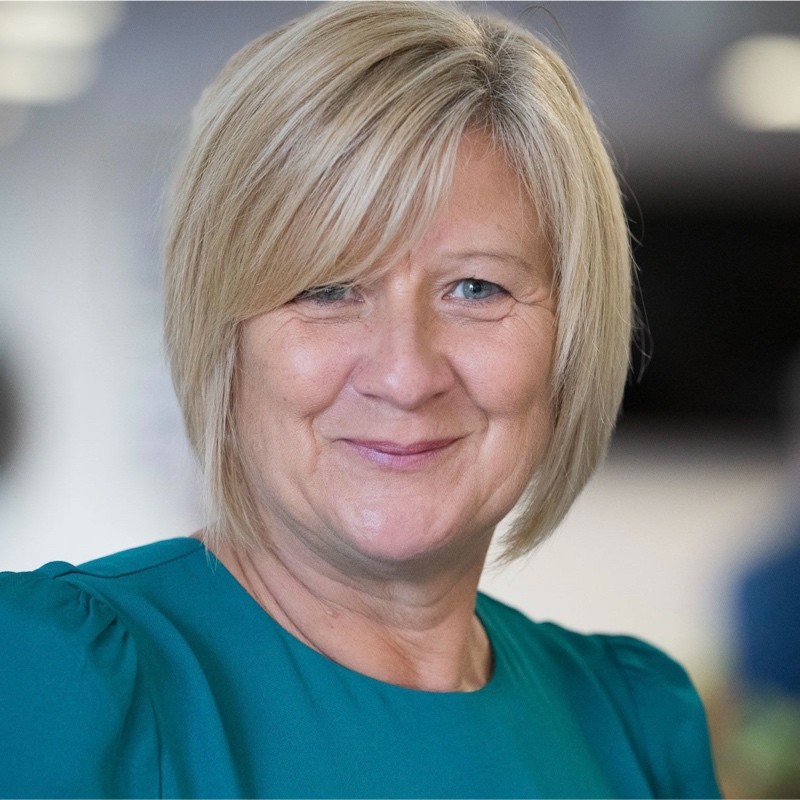
Karen Jones
Guest Speaker
An experienced HR and people specialist with expertise in employee relations, organisational change and leadership development. She supports organisations in resolving workplace challenges, strengthening leadership capability, and creating cultures built on trust, respect, and open communication.